🧠 Memory, Perception & Trauma
-
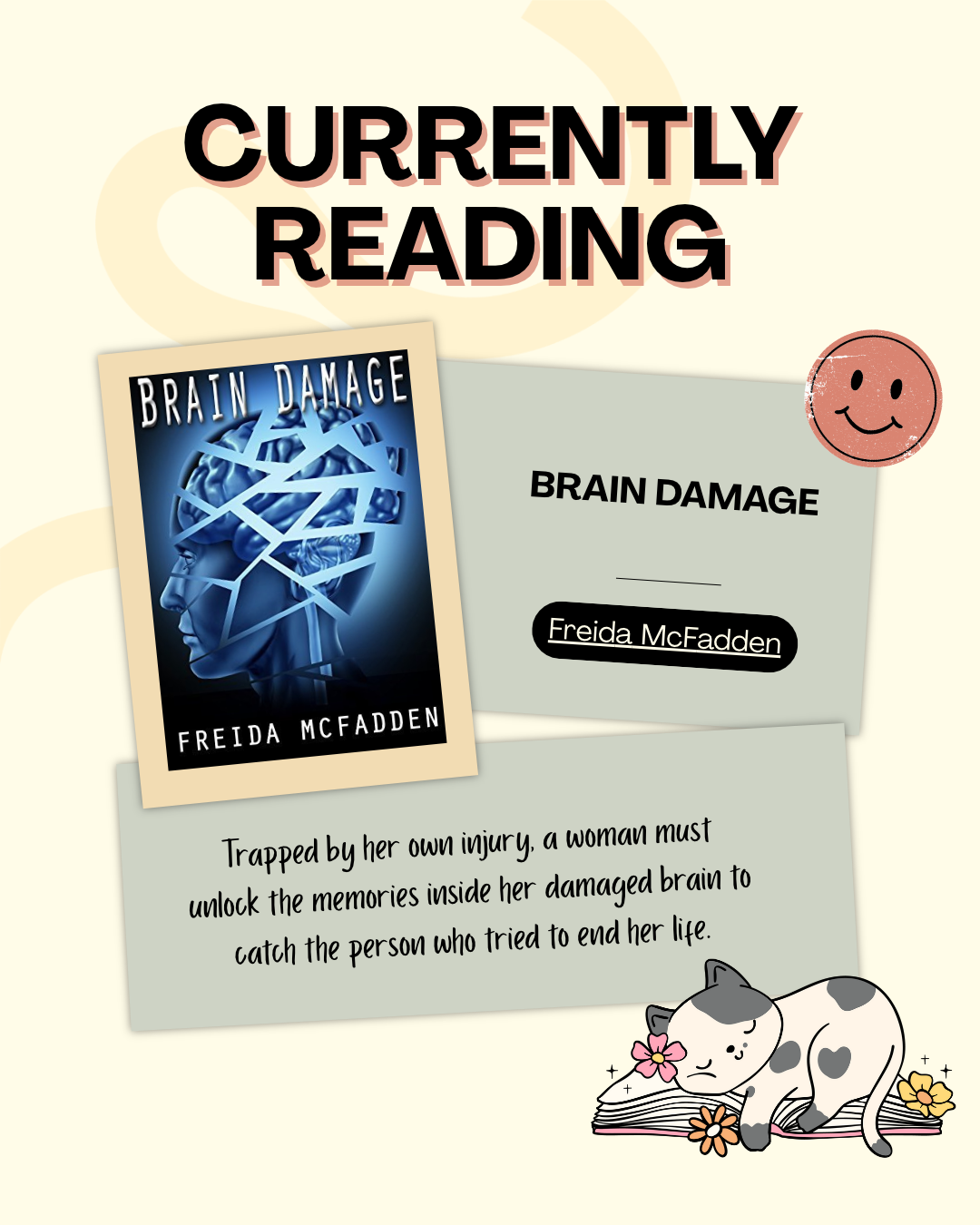
The Damaged Brain as a Narrative Vault: Charly’s memories of the shooting are trapped within the injured portion of her brain. How did McFadden use this psychological condition to build suspense and drip-feed plot clues?
-
Reliability of Memory: As Charly attempts to reconstruct that night, how much did you trust her changing recollections versus the claims of the people around her?
-
Medical Realism vs. Thriller Tropes: How effectively did the novel portray the daily frustrations and challenges of severe traumatic brain injury recovery alongside the high-stakes murder mystery?
-
The Isolated Protagonist: Brain injuries can create profound feelings of isolation when speech, memory, or processing are impaired. How did Charly’s communication barriers heighten the vulnerability and tension in the story?
-
Professional vs. Personal Identity: As a successful dermatologist, much of Charly’s self-worth was tied to her career. How does the loss of her professional independence impact her sense of self, and how does that shape her choices during the investigation?
-
The Concept of Memory as Evidence: In many thrillers, physical evidence (like DNA or security footage) drives the plot. Here, the evidence is internal and damaged. Did this internal mystery feel fresh compared to traditional detective stories?
🕵️ Relationships, Trust & Suspicion
7. The “Picture-Perfect” Life: Before the attack, Charly seemed to have it all. How did the narrative dismantle that image of perfection as her investigation progressed?
8. Husband under Scrutiny: How did your perception of Charly’s husband shift throughout the story? What specific red flags or reassuring moments stood out to you?
9. The Inner Circle: Which secondary characters (colleagues, friends, medical professionals) felt most suspicious to you as Charly tried to figure out who wanted her dead?
10. Caregiving & Power Dynamics: When a partner becomes a caregiver following a traumatic injury, the dynamic of a marriage completely shifts. How did the novel handle the balance of genuine care versus potential control/manipulation?
11. Medical Knowledge as a Double-Edged Sword: As a physician herself, Charly understands her own medical condition better than a typical patient might, yet her brain is the very organ compromised. How did her medical background help or hinder her ability to solve what happened to her?
12. Empathy & Moral Ambiguity: Did any characters act out of line or raise suspicions, even if they turned out not to be the perpetrator? Were their motivations understandable given the circumstances?
⚡ Pacing, Twists & Resolution
13. Pacing and Clues / The “Drip-Feed” Narrative: McFadden uses fragmented memories that surface gradually. Did this timeline keep you hooked, or did you ever feel frustrated alongside Charly as she struggled to remember?
14. The Major Twist: Did you successfully guess the identity of the shooter before the reveal, or did the climax catch you off guard?
15. Themes of Survival & Identity: Beyond solving the crime, Charly has to rebuild her identity after losing her career and physical capabilities. Did you find her overall arc and the story’s resolution satisfying?
16. Setting & Atmosphere: The story moves between the high-society world of Central Park apartments and medical/rehabilitation settings. How did the contrasting environments contribute to the tone of the book?
17. Freida McFadden’s Style: If you’ve read other books by Freida McFadden (like The Housemaid or The Teacher), how does Brain Damage compare in terms of twistiness, character development, and suspense?
💬 Broader Group Reflections 18. The Unreliable Narrator Tropes: Thrillers frequently use memory loss, trauma, or medical conditions to create unreliable narrators. Do you enjoy this trope, or do you prefer mysteries where the narrator has full recall? 19. Final Verdict: On a scale of 1 to 5 stars, how would you rate Brain Damage? Would you recommend it to readers who aren’t usually fans of psychological thrillers?